
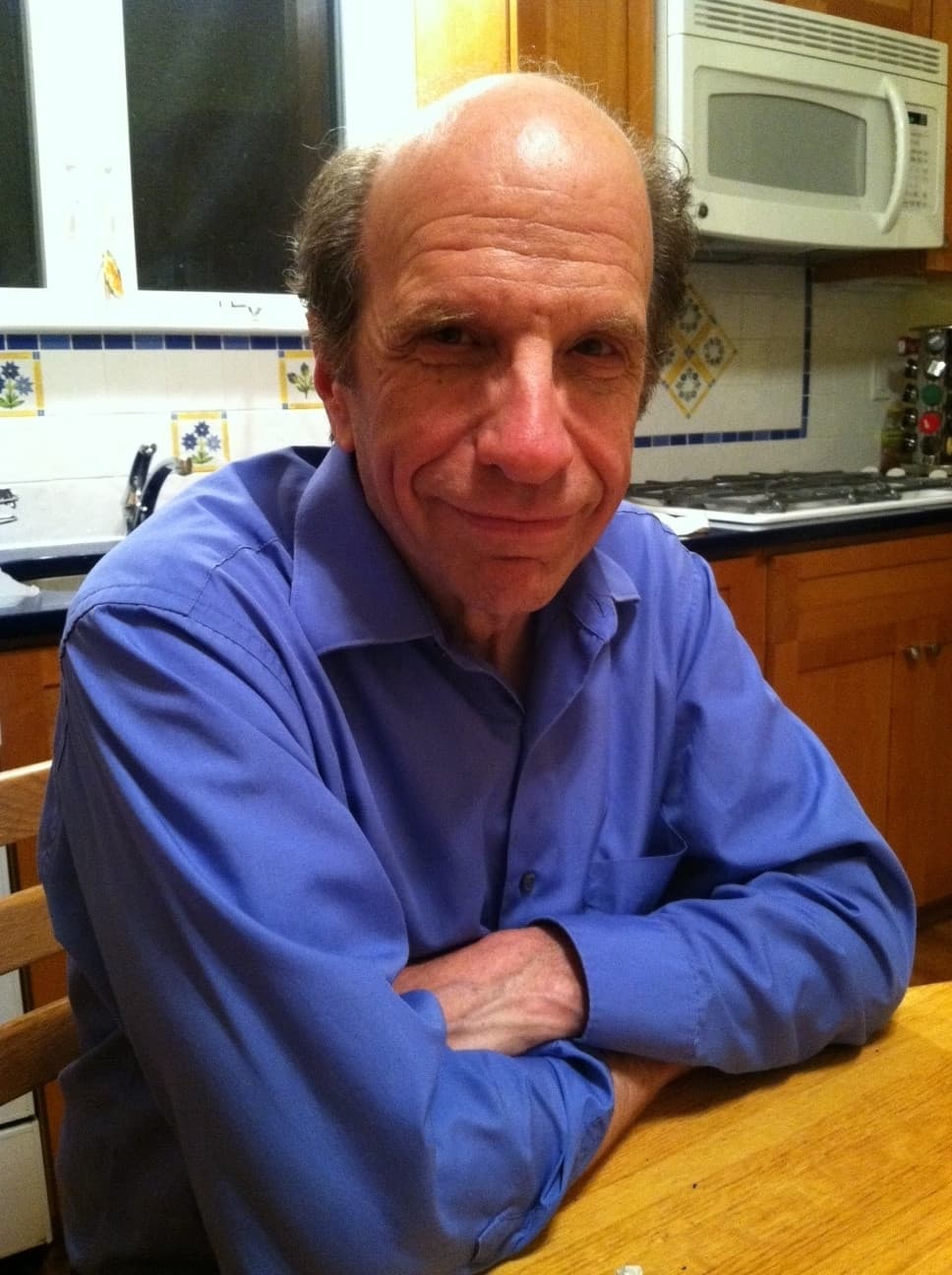
Alan C. Geller, MPH, RN
Senior Lecturer on Social and Behavioral Sciences
Harvard T.H. Chan School of Public Health
- Skin cancer prevention
- Cancer screening
- Public health education
About us
There are numerous barriers to joining the healthcare workforce for students, especially those coming from low-income backgrounds. HealthPath Horizons exists to lower them.
HealthPath Horizons aims to arm students from low-income backgrounds with the information and resources needed to navigate the pre-health journey.
Through curated educational content, informational sessions and workshops, and cooperation with similar community organizations, we seek to provide a comprehensive introduction into the medical field for low-income students.
Only 16.5% of high school students graduate with the coursework required by the majority of medical schools. Only 44% of medical school applicants are accepted each year.
The pathway takes 11 to 15 years from high school graduation to residency, and medical education alone costs $200k to $500k depending on the school.
Of recent medical graduates, 41.4% have parents earning a combined $200k or more, while only 12% of U.S. households do.
And of those 28 students from a class of 10,000, only 5% come from the bottom income quintile.
Roughly 20% of medical students have a parent who is a physician, even though physicians make up only about 1% of U.S. workers.
Just 7.4% of medical students are the first in their family to attend college, and only 10.7% come from the lowest two income quintiles.
Sources: the AAMC, the AMA Journal of Ethics, and peer-reviewed studies, compiled by HealthPath Horizons. See our post The Shocking Numbers Behind a Medical Career.
From our own writing on the obstacles facing low-income pre-health students.
The MCAT is notoriously difficult, necessitating students to study for months with the singular focus of attaining a high score.
Many applicants may volunteer for hundreds of hours over the four years of high school, hours that may also be needed for taking care of family, working at a job, etc.
Although it's not required, research is another major component of the medical school application process that the majority of applicants have experience with.
Three concrete ways we work toward a more equitable healthcare workforce.
Enabling change
Education is key to unlocking opportunities for underrepresented youth. We publish free information sheets, distributable infographics, and blog posts that detail the pre-medical journey.
Providing mentorship
We connect students with physicians and other professionals, with mentoring connections designed to give underrepresented youth a real sense of what it's like to work in healthcare.
Empowerment in action
We partner with community organizations, low-income schools, and related groups to hold workshops, presentations, and more, bringing resources directly to the students who need them.
Wherever a student is on the path, HealthPath Horizons meets them there.
Discover the many careers in medicine, research, nursing, and public health.
Free guides on coursework, the MCAT, applications, and the path ahead.
Find shadowing, research, and summer programs that fit you.
Meet mentors and hear from physicians, scientists, and trainees.
Tackle scholarships and applications with a community behind you.
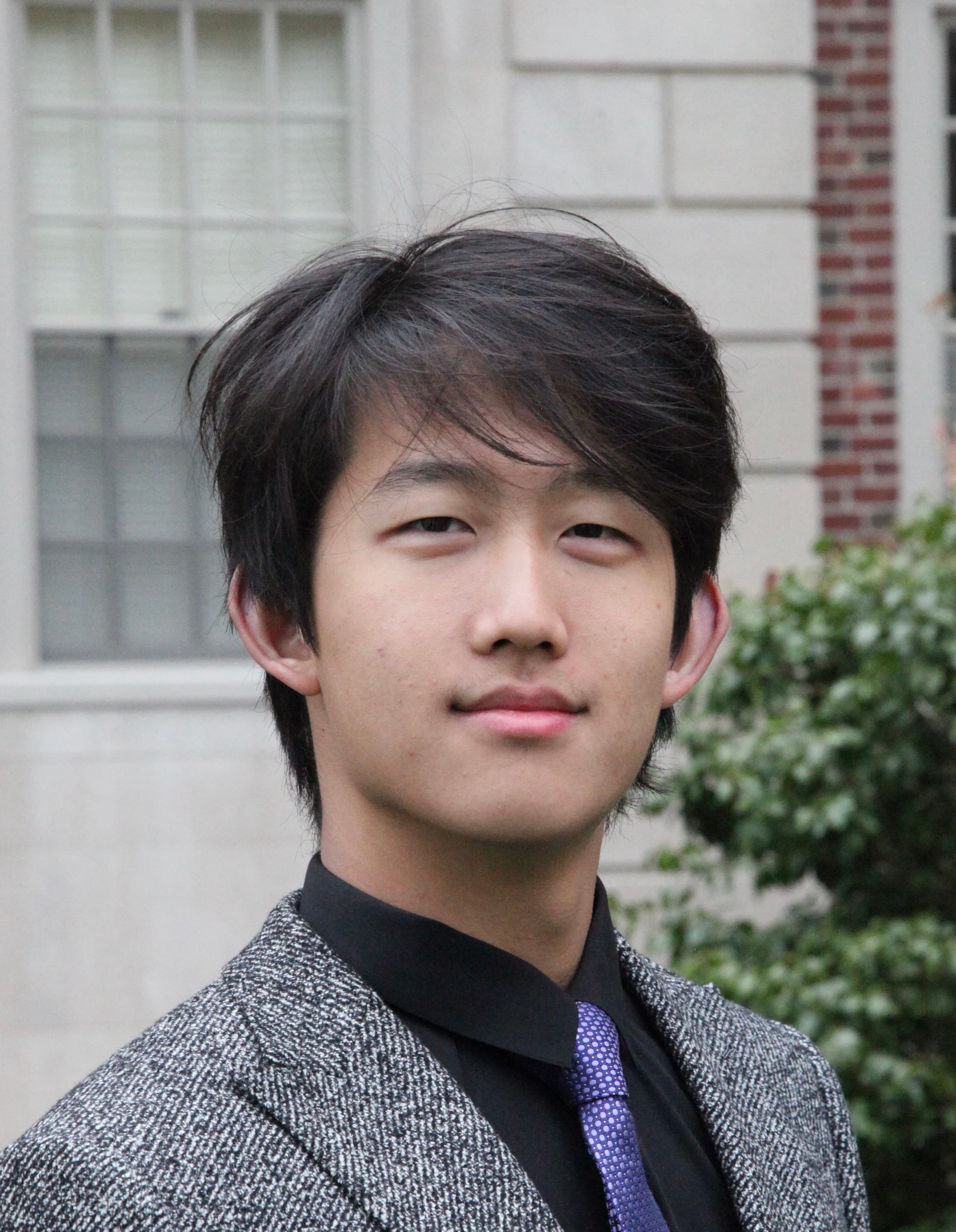
Co-Founder & Co-President
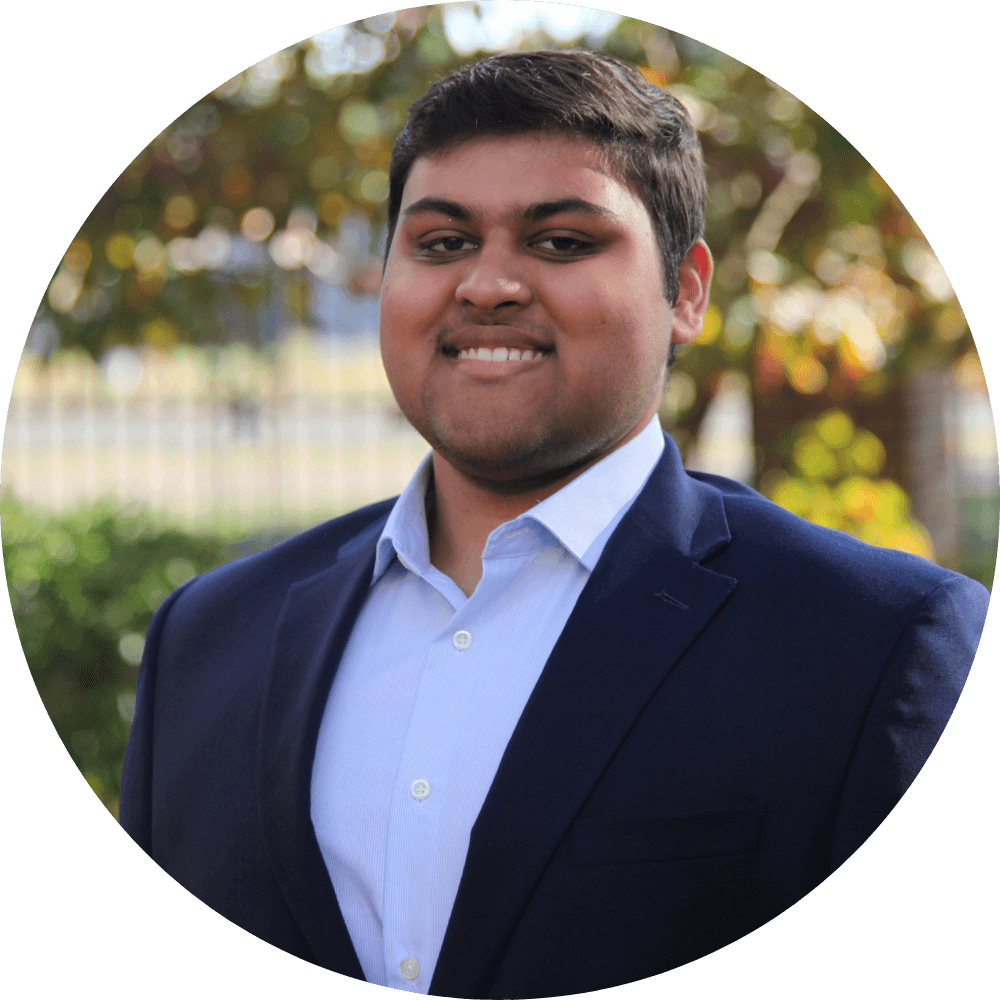
Co-Founder & Co-President
Read the founders' letter on why we started HealthPath Horizons.
Clinicians, researchers, and educators who help shape what HealthPath Horizons offers.
Senior Lecturer on Social and Behavioral Sciences
Harvard T.H. Chan School of Public Health
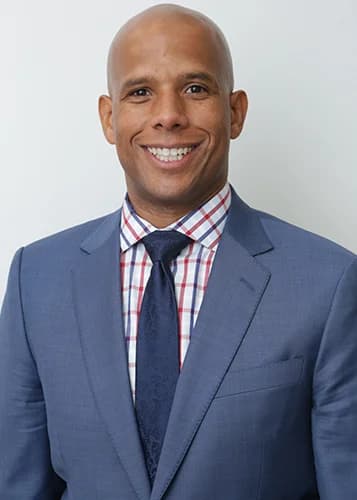
Associate Professor of Emergency Medicine; Assistant Dean, Office for Culture and Community Engagement
Harvard Medical School & Beth Israel Deaconess Medical Center
MD/PhD Candidate, Immunology
Harvard-MIT MD/PhD Program
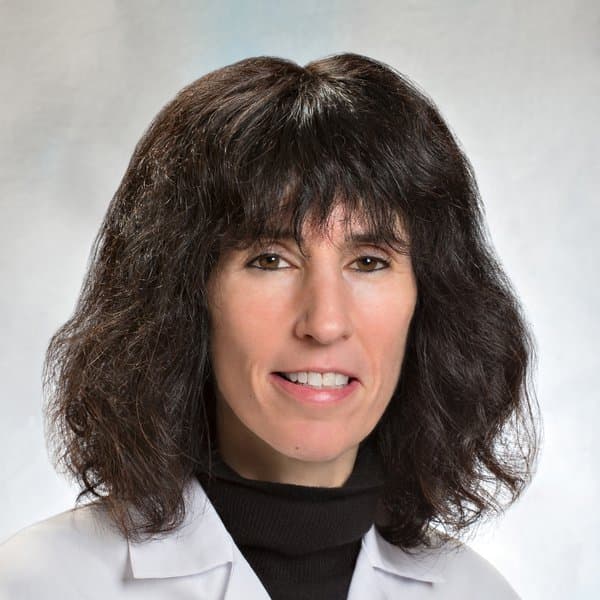
Lavine Family Endowed Chair in Neurology; Associate Professor of Neurology
Brigham and Women's Hospital & Harvard Medical School


Whether you're a student, mentor, or partner, we'd love to hear from you.